

Research on Collaboration and Collective Intelligence

NPR carried a news story on collaboration and collective intelligence. I tracked down the foundational research on the National Science Foundation web site and in a serious academic journal called “Science”.
In a study involving 699 individuals, a general collective intelligence emerged. Interestingly enough, this general collective intelligence, or C-factor, was not linked to average or maximum intelligence of individual members. It was linked to average social sensitivity, equality of distribution in turn-taking and in the percentage or women in the group.
For more information, see National Science Foundation (NSF) News – New Study Validates Factors That Enhance the Intelligence of a Group nsf.gov/news/news_summ.jsp?cntn_id=117795
New release includes a great photo of a team working with LEGOs.
Shared by a community member. Unless stated otherwise, reuse under CC BY-SA 4.0 with attribution to the author.
Related
Serious Play Library
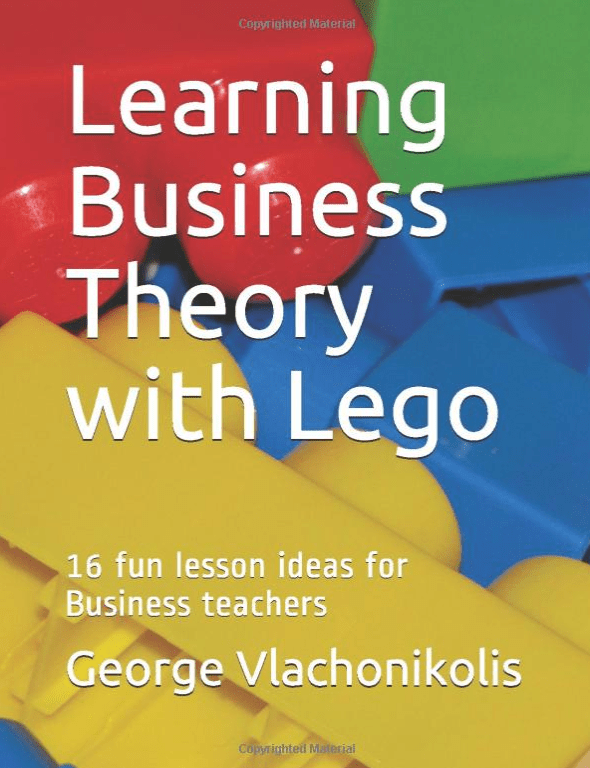
Learning Economic Theories with LEGO
I started out as a professional teacher nine years ago. I had just left the Army and my daughter was just weeks…
Read more — Learning Economic Theories with LEGO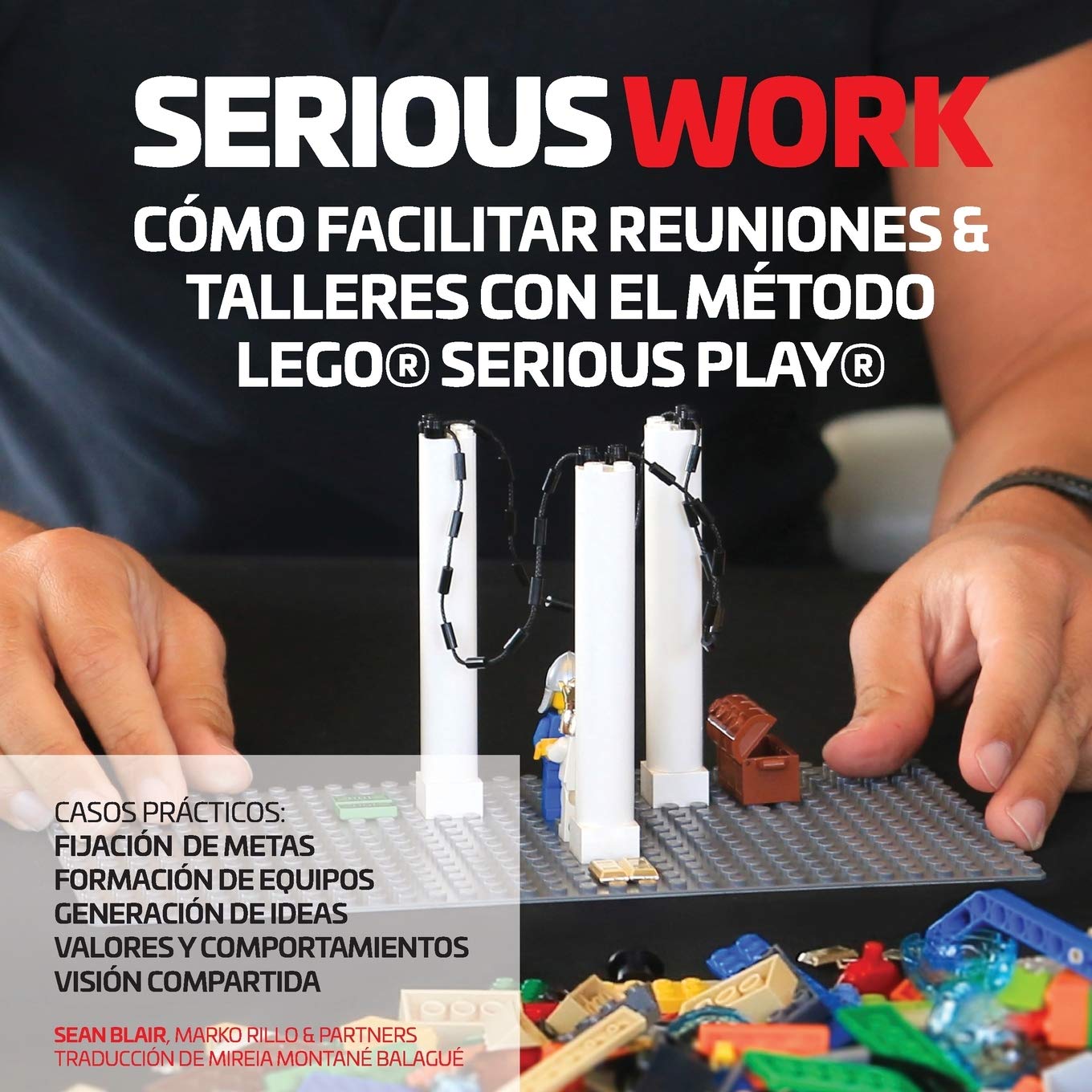
Serious Play Library
Serious Work book in Spanish
Many thanks to Mireia Montané-Balagué, Professor at the EADA Business School in Barcelona who translated the book Serious Work to Spanish language.…
Read more — Serious Work book in Spanish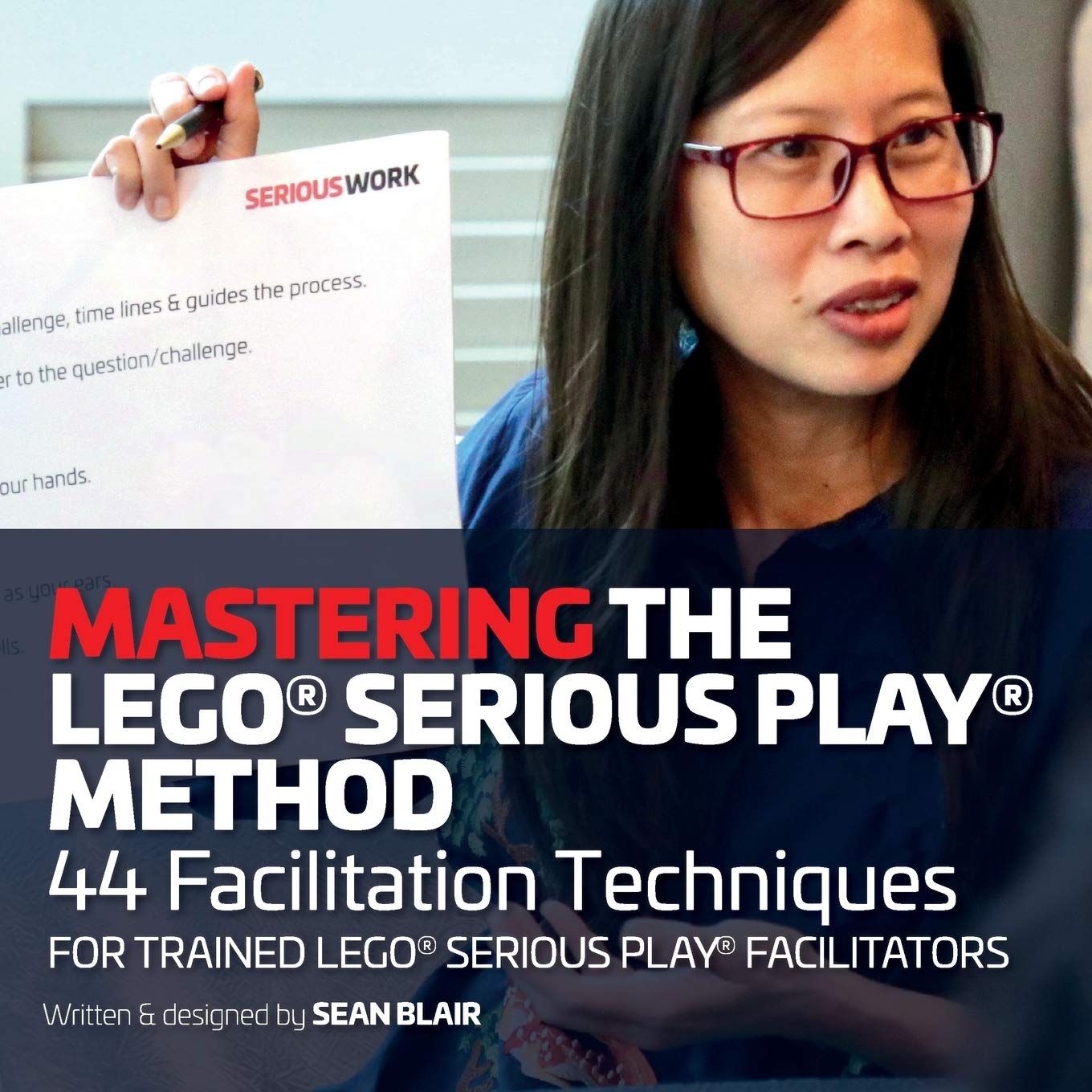
Serious Play Library
New Book: Mastering the LEGO Serious Play
Sean Blair just published his second book on facilitating with LEGO Serious Play, which is targeted towards somewhat more experienced facilitators. The…
Read more — New Book: Mastering the LEGO Serious Play1 comment
Leave a Reply
You must be logged in to post a comment.
This is an interesting study. While others were posting about it, I was listening to Anita Woolley being interviewed on CBC radio. You can hear the interview on the podcast of the October 9, 2010 episode of Quirks and Quarks, here http://www.cbc.ca/quirks/episode/2010/10/09/october-9-2010/
I believe that Serious Play™ supports behaviour that leads to improved collective intelligence. It’s interesting that the team working with LEGO© bricks is not participating in Serious Play™